


A brief roundup of United Nations political and peacebuilding events and developments globally.
Drone strike in Romania underscores growing risk of spillover of the war in Ukraine, Security Council hears
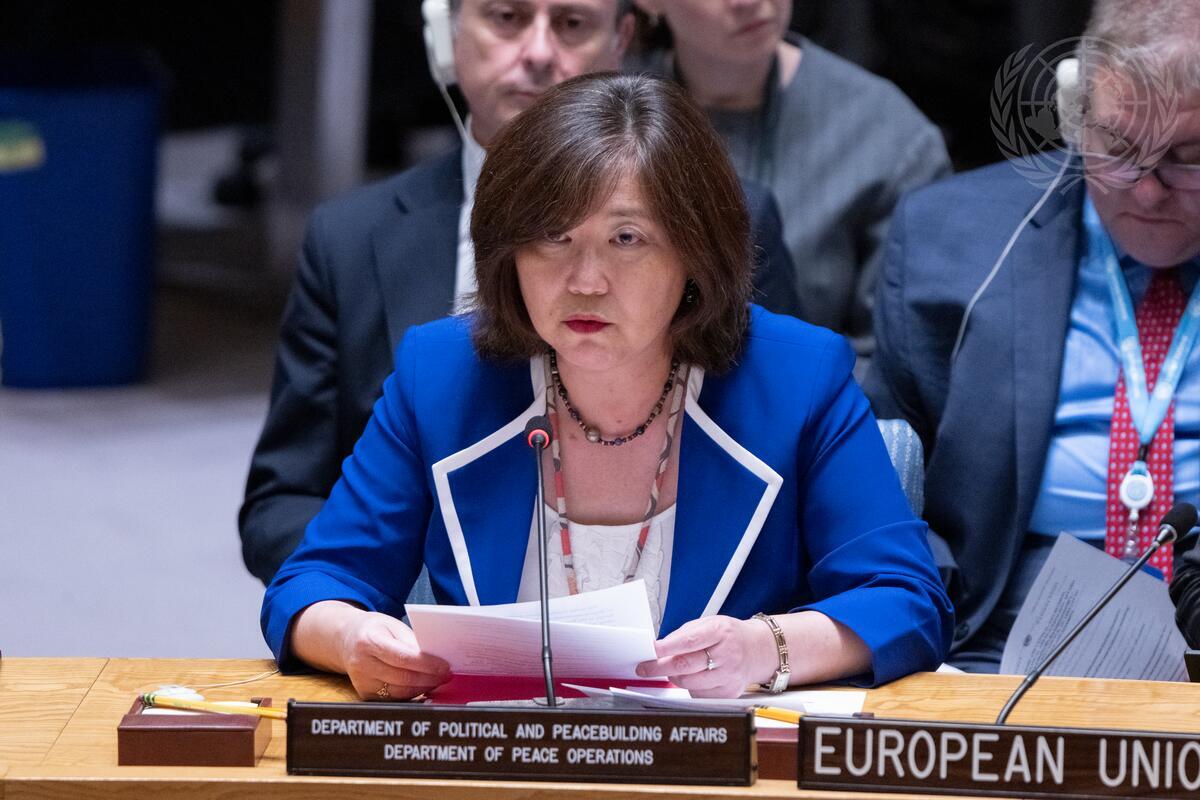
On 1 June, Kayoko Gotoh, Director of the Europe and Central Asia Division in DPPA-DPO, briefed the UN Security Council on threats to international peace and security arising from the war in Ukraine. She underscored the growing risk of spillover of the conflict into the broader region, citing a recent drone strike on a residential building in Galați, Romania, injuring two civilians. She also highlighted the sharp escalation of attacks by both the Russian Federation and Ukraine and warned of the dangers posed by incidents affecting nuclear facilities, including the Zaporizhzhia Nuclear Power Plant. “Diplomacy needs to be given a meaningful chance to create conditions for achieving peace in Ukraine,” she said, noting that the United Nations will continue to fully support all meaningful efforts to that end.
ASG Pobee warns escalating hostilities between Lebanon and Israel threaten diplomatic efforts
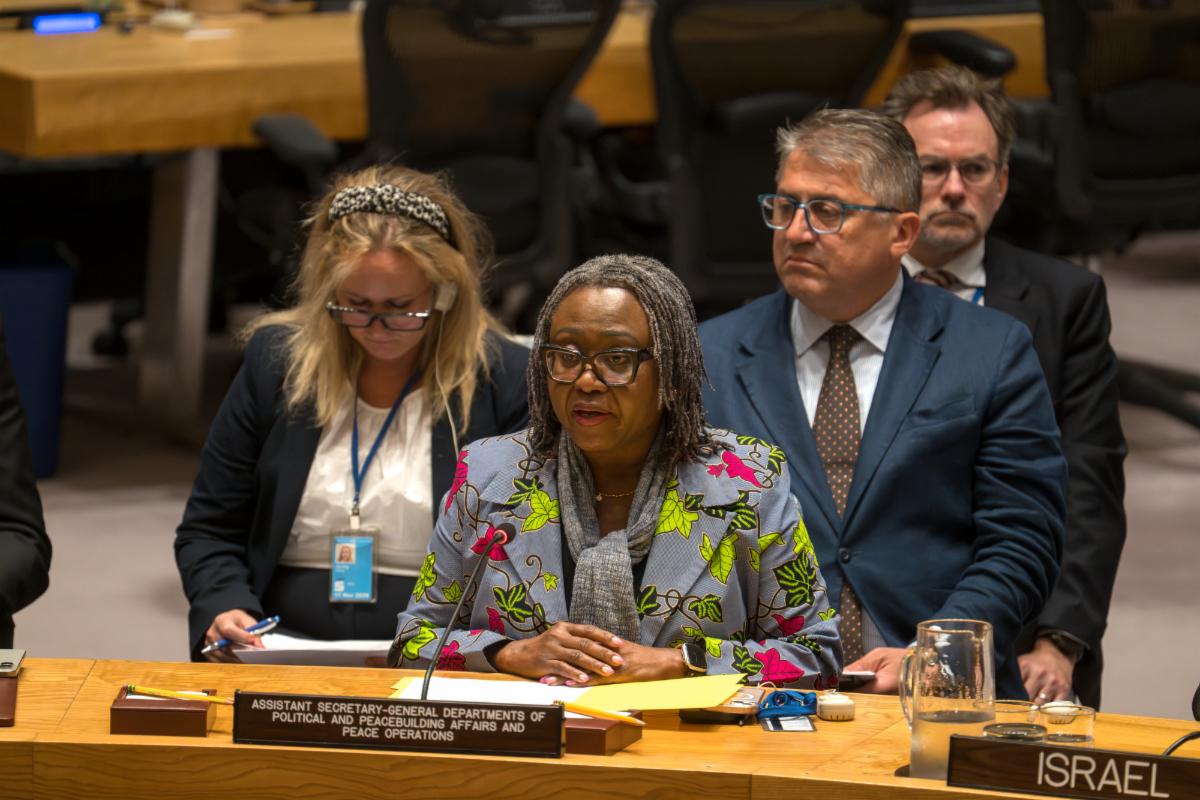
On 1 June, Assistant Secretary-General (ASG) for Africa Martha Pobee briefed the Security Council on the deteriorating situation in Lebanon, warning that intensified hostilities between Hizbullah and Israel risk derailing diplomatic efforts and further destabilizing the region. She noted the devastating human toll of the conflict, rising humanitarian needs and continued displacement on both sides of the Blue Line. ASG Pobee stressed that Israel’s presence north of the Blue Line violates Lebanon’s sovereignty and Security Council resolution 1701 (2006), while reiterating that Hizbullah and other non-state armed groups must disarm in line with resolutions 1559 (2004) and 1701 (2006). She also underscored the need for greater international support to the Lebanese Armed Forces and called on all parties to exercise maximum restraint and pursue a durable ceasefire through diplomacy.
Peacebuilding Commission discusses findings from Liberia Configuration Chair’s visit
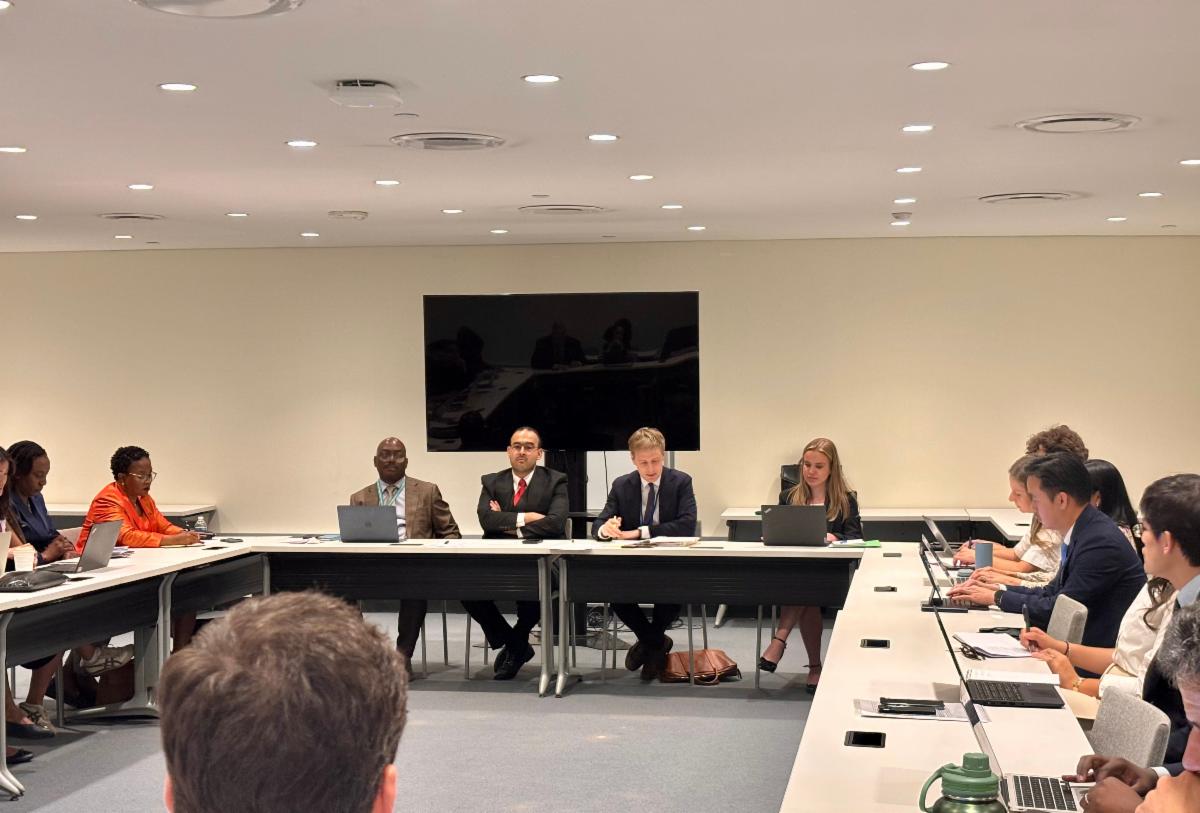
On 4 June, the Peacebuilding Commission (PBC) held an expert-level debrief on the recent visit of the PBC Liberia Configuration Chair to Liberia from 1 to 5 May. Briefings were provided by Sweden as Chair of the Configuration, along with Morocco and Liberia, who shared observations from the visit and reflected on the country’s ongoing peacebuilding priorities and efforts to sustain peace. Discussions highlighted the importance of strengthening resilience and supporting long-term national development, including Women, Peace and Security and Youth, Peace and Security efforts, accountability, and transitional justice. Participants recognized the importance of continued and coordinated support through relevant peacebuilding instruments, including the Peacebuilding Commission and the Peacebuilding Fund, to help advance nationally owned peacebuilding priorities and ensure predictable financing for ongoing initiatives. The meeting concluded with a reaffirmation of continued engagement by the Chair, members of the Liberia Configuration, and partners in support of ongoing peacebuilding efforts, highlighting the value of strong partnerships.
Peacebuilding Fund Group of Friends discusses Colombia engagement and strategic priorities
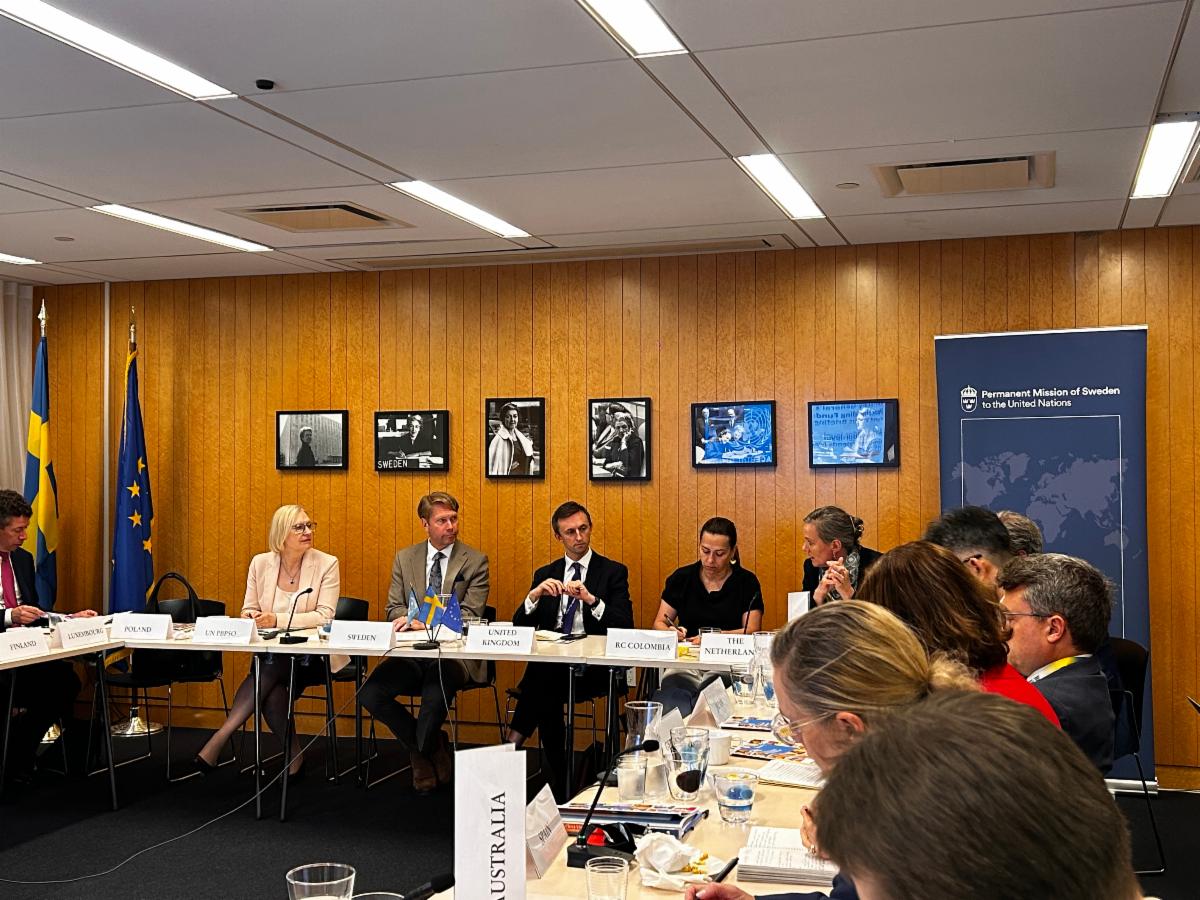
On 29 May, the Peacebuilding Fund's Group of Friends held its second quarterly meeting at the ambassadorial level under the co-chairpersonship of Sweden and the United Kingdom. The meeting discussed the Fund's engagement in Colombia and a strategic outlook on the Fund's status and the path to its 2027-2030 strategy. In Colombia, the Fund supports efforts to meet the commitments of the Peace Agreement on the reintegration of former combatants, territorial peace initiatives in priority regions, transitional justice, and innovative financing for peace. Resident Coordinator in Colombia Mireia Villar Forner and Deputy Director of the Presidential Agency for International Cooperation joined virtually and identified conflict economies as key structural challenges to sustaining peace and emphasized the importance of the Fund's catalytic and flexible support in advancing implementation of the Peace Agreement. ASG for Peacebuilding and Peace Support Elizabeth Spehar highlighted that limited resources will mean sharper prioritization in the coming months, alongside efforts to broaden the donor base.
Training initiative supports sustainable reintegration in Cauca, Colombia
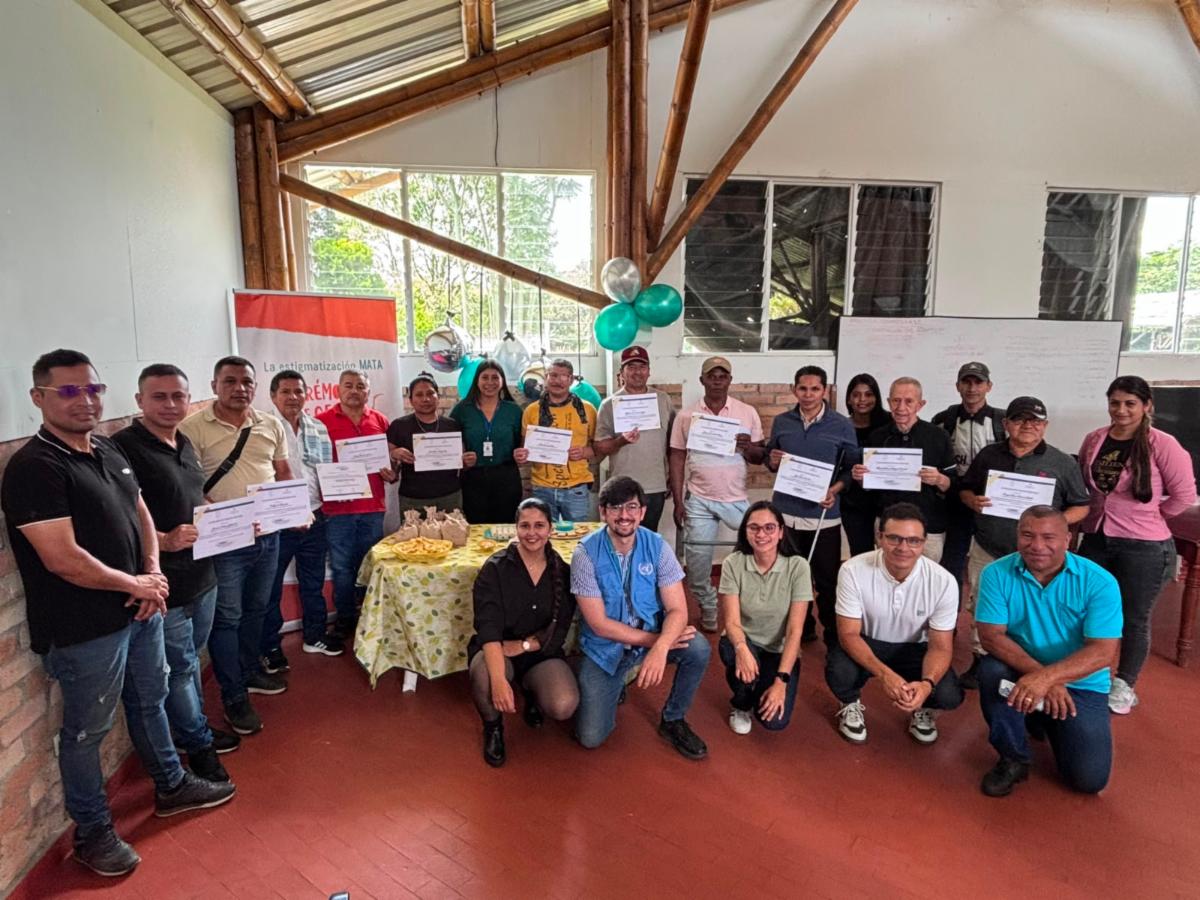
On 4 June, the United Nations Verification Mission in Colombia accompanied the graduation of former combatants and cooperative members in Cauca who completed training in nursery management and environmental waste management. Led by the University of Cauca with support from the Agency for Reincorporation and Normalization (ARN) and the Mission, the initiative aims to strengthen local capacities, promote environmental protection and support sustainable reintegration. Participants highlighted the role of skills development in creating opportunities that benefit communities, the environment and peacebuilding efforts.
Advisory Board for Women, Peace and Security discusses peace efforts in the Great Lakes region
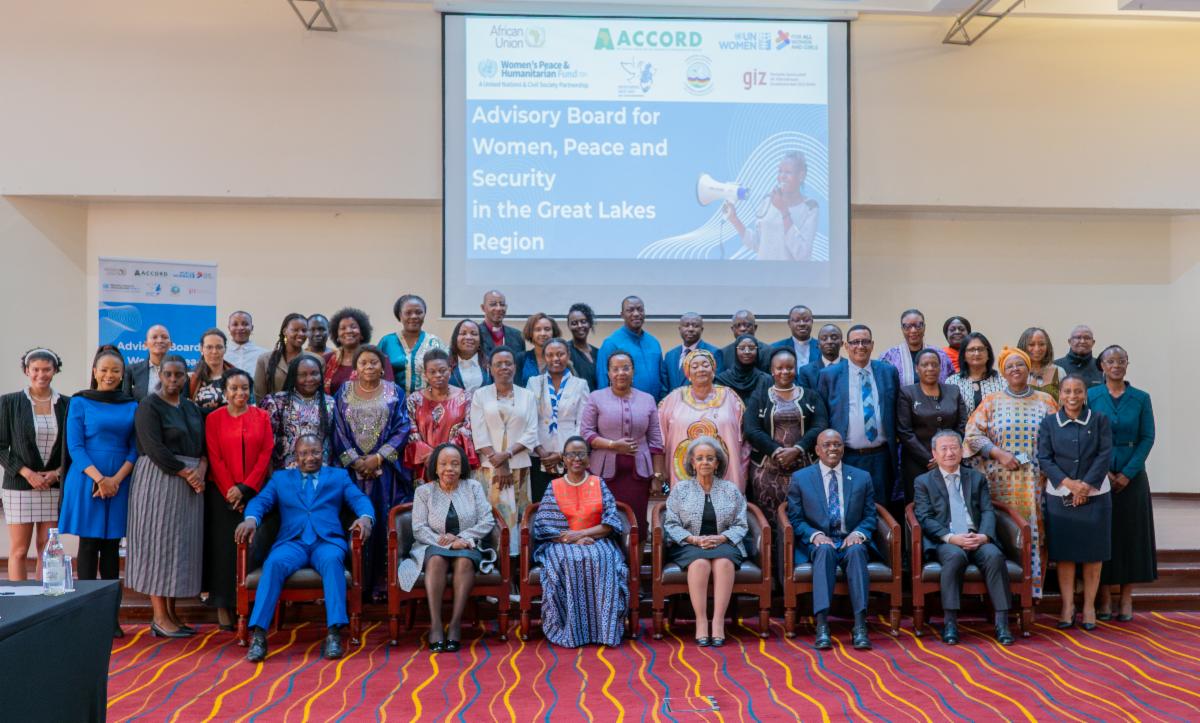
On 3 and 4 June, a hybrid meeting of the Advisory Board for Women, Peace and Security (WPS) in the Great Lakes region took place in Nairobi, Kenya, under the leadership of Special Envoy of the Secretary-General Huang Xia and AU Special Envoy Liberata Mulamula. The meeting established a platform for facilitators of the AU-led peace process for the DRC to engage directly with regional and community voices, who contributed conflict analysis through a gender lens. Participants included women, youth, faith-based networks, civil society organizations, centers of excellence, UN entities and international partners. Discussions underscored the Advisory Board’s strategic role as a bridge between grassroots perspectives and formal peace processes, particularly in addressing the protracted conflict in eastern DRC and its impact on the region. The Board reaffirmed its commitment to inclusive, gender-responsive, and community-driven peacebuilding, ensuring that local voices remain central to shaping sustainable peace in the region.
SRSG Imnadze participates in dialogue on Central–South Asia connectivity
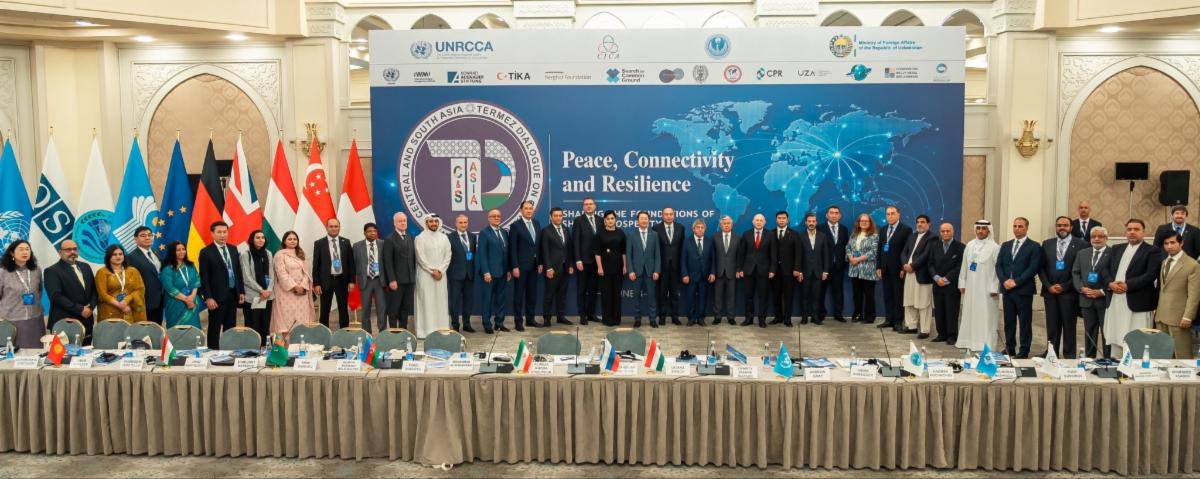
On 4 June, Special Representative of the Secretary-General (SRSG) and Head of the United Nations Regional Centre for Preventive Diplomacy for Central Asia (UNRCCA) Kaha Imnadze participated in the Second Termez Dialogue on Connectivity between Central and South Asia in Tashkent. Discussions focused on regional connectivity, trade, energy cooperation, climate resilience and Afghanistan’s integration into regional processes. In his remarks, the SRSG welcomed Uzbekistan’s proactive approach to regional cooperation and highlighted the Dialogue’s role in advancing practical cooperation between Central and South Asia. He stressed that meaningful connectivity depends not only on infrastructure and trade routes, but also on political trust, predictable rules and sustained dialogue. He also underscored the importance of continued regional engagement with Afghanistan to support economic activity, stability and sustainable peace across the region.
Caribbean Regional Seminar on Decolonization convenes in Nicaragua
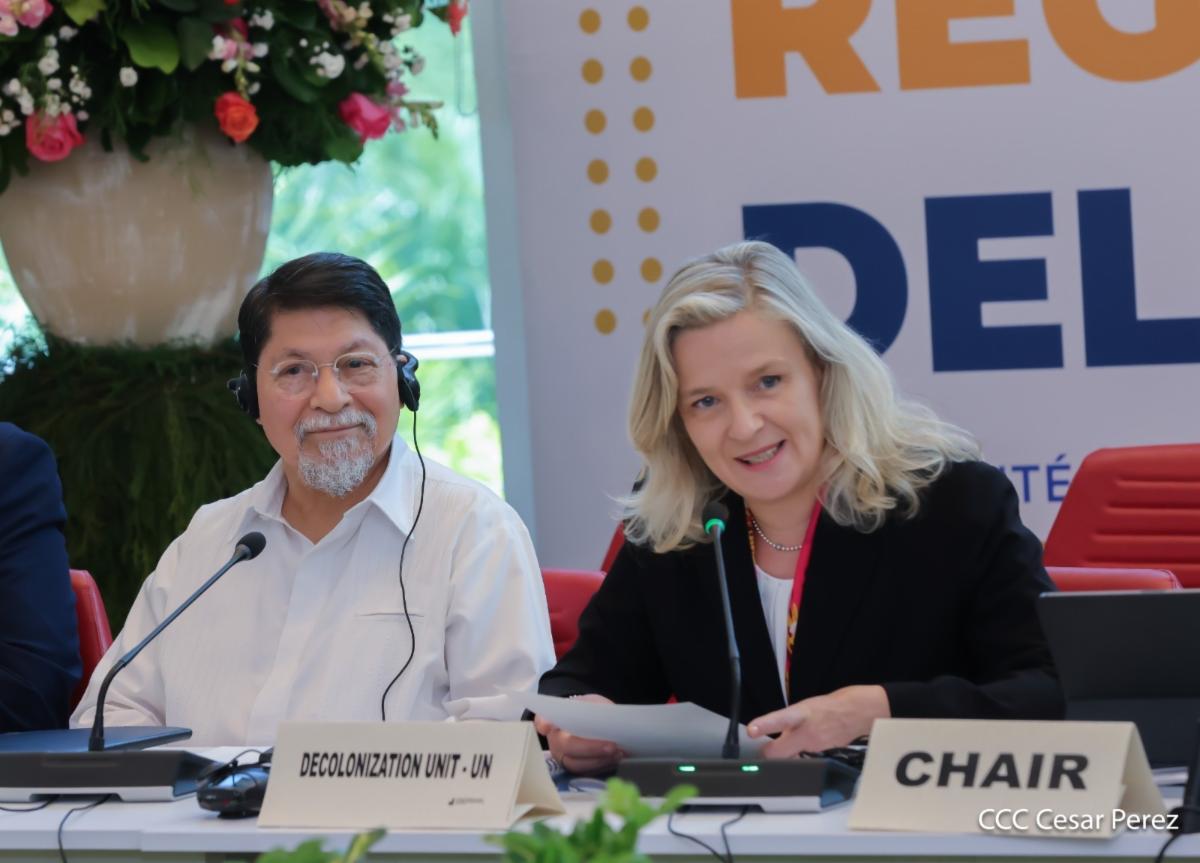
The Caribbean Regional Seminar on Decolonization of the UN Special Committee on Decolonization (C-24) was held in Managua from 25 to 27 May 2026 under the theme, “Advancing progress, renewed commitments, partnerships and innovative approaches”. The event attracted over 110 participants, including more than 40 Member States, nine Non-Self-Governing Territories, regional and international organizations and experts. Josiane Ambiehl, Chief of the Decolonization Unit, delivered the Secretary-General's message at the opening, which was attended by Nicaraguan Co-Ministers for Foreign Affairs Denis Moncada and Valdrack Jaentschke. The discussions will inform the C-24 substantive session opening in New York on 15 June.
Next Week
19 June: Can Social Media Still Be Trusted? Political Analysis in an AI-Polluted Information Environment (10:00–11:00 a.m. EDT). Hosted by the DPPA Innovation Cell, this hybrid event will examine how AI-generated content, evolving platform policies and declining data access are affecting the use of social media for political analysis. The discussion will explore implications for peace and security contexts and consider how the United Nations can responsibly navigate an increasingly complex digital information environment.


