

In southern Lebanon, many women continue to face barriers to employment, healthcare and education in communities affected by conflict and economic hardship. As an Engagement Team Commander and Gender Focal Point serving with the United Nations Interim Force in Lebanon (UNIFIL), Major Abhilasha Barak works with communities to help address these challenges.
Born into an Army family in Haryana, India, Major Barak was inspired by military service from an early age. After graduating from Delhi Technological University and training at the Officers Training Academy Chennai, she was commissioned into the Indian Army's Air Defence Corps in 2018, becoming the country's first woman combat helicopter pilot.
Following several years in frontline aviation roles, she brought that operational experience to UN peacekeeping. Today, she combines military leadership with community engagement to expand opportunities for women and girls and advance the Women, Peace and Security agenda.
Her efforts recently earned her recognition as the 2025 United Nations Military Gender Advocate of the Year, an award presented annually to a military peacekeeper who demonstrates exceptional leadership in advancing gender equality and the principles of Security Council Resolution 1325.
For Major Abhilasha Barak, empowering women is central to her peacekeeping mission. Since joining UNIFIL, she has worked with local communities across southern Lebanon to expand economic opportunities for women affected by conflict and economic hardship. Through vocational training programmes, more than 500 women gained practical skills in information technology, English language, handicrafts and food production. For some participants, the programmes became a pathway to greater financial independence, with several women establishing small businesses and generating income for their families.
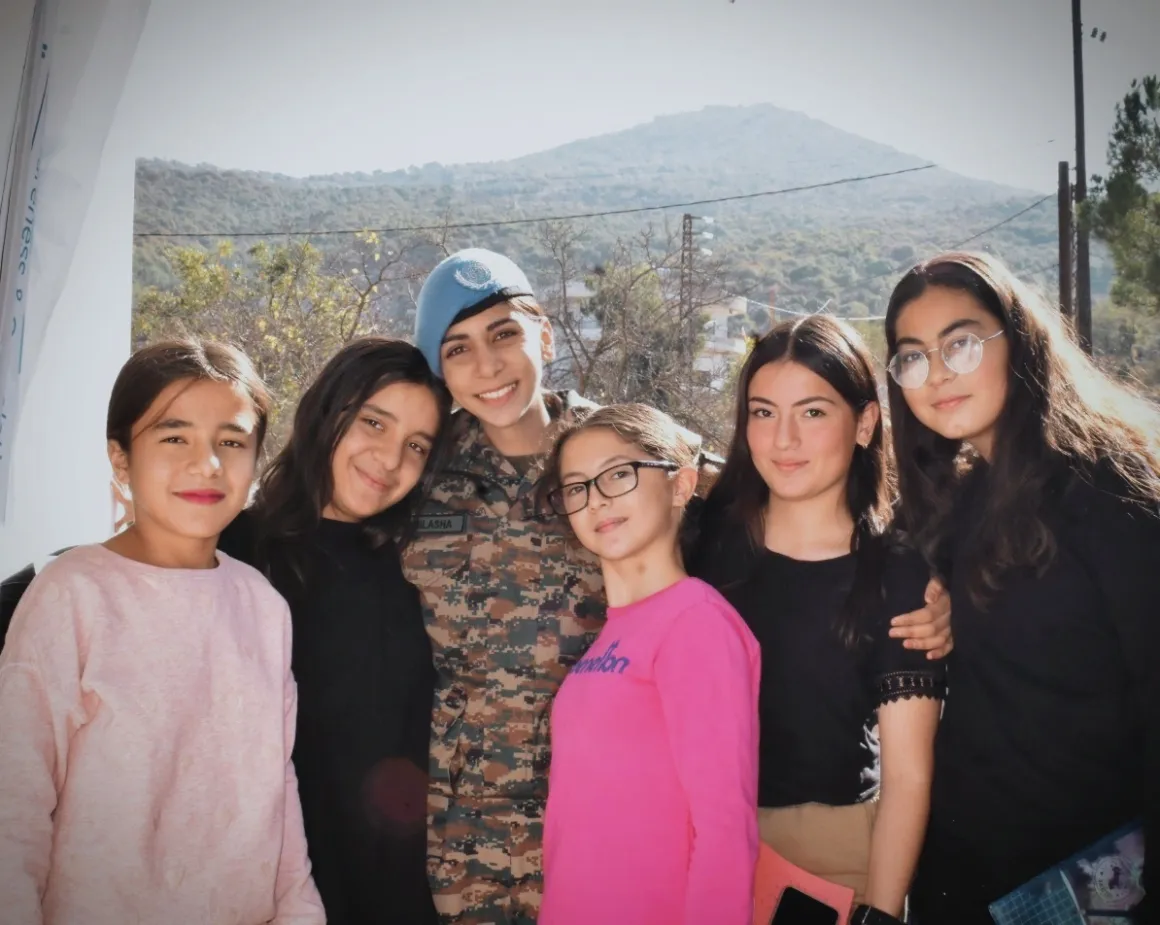
Education has also opened new opportunities. Through coordination with the Government of India and partners, 75 Lebanese women received fully funded international scholarships under the Indian Technical and Economic Cooperation programme. The scholarships provide training in renewable energy, entrepreneurship, finance and agriculture, equipping participants with skills for employment and leadership.
Access to healthcare has also improved through outreach activities and free medical screenings. Female medical consultations increased by 110 per cent, while female dental consultations rose by 260 per cent.
Recognizing that protection also means ensuring women can safely seek help, Major Barak turned to innovation. She developed the Lebanon Gender Initiative, an AI-driven platform that allows women and children can confidentially report gender-based violence, access support services and receive information on available protection mechanisms. By reducing barriers linked to stigma, fear of retaliation and lack of information, the platform helps connect survivors with assistance while strengthening awareness of available support services.
Beyond these initiatives, Major Barak believes trust is built through a consistent presence in communities. Within six months, she conducted 539 gender-focused field activities, reaching more than 5,000 women and girls. She also led all-women patrols during periods of heightened tensions, demonstrating the important role women peacekeepers play in building trust and engaging with communities.
Through engagement with communities and local partners, these initiatives support UNIFIL's mandate by strengthening trust, promoting inclusion and helping create conditions for sustainable peace.
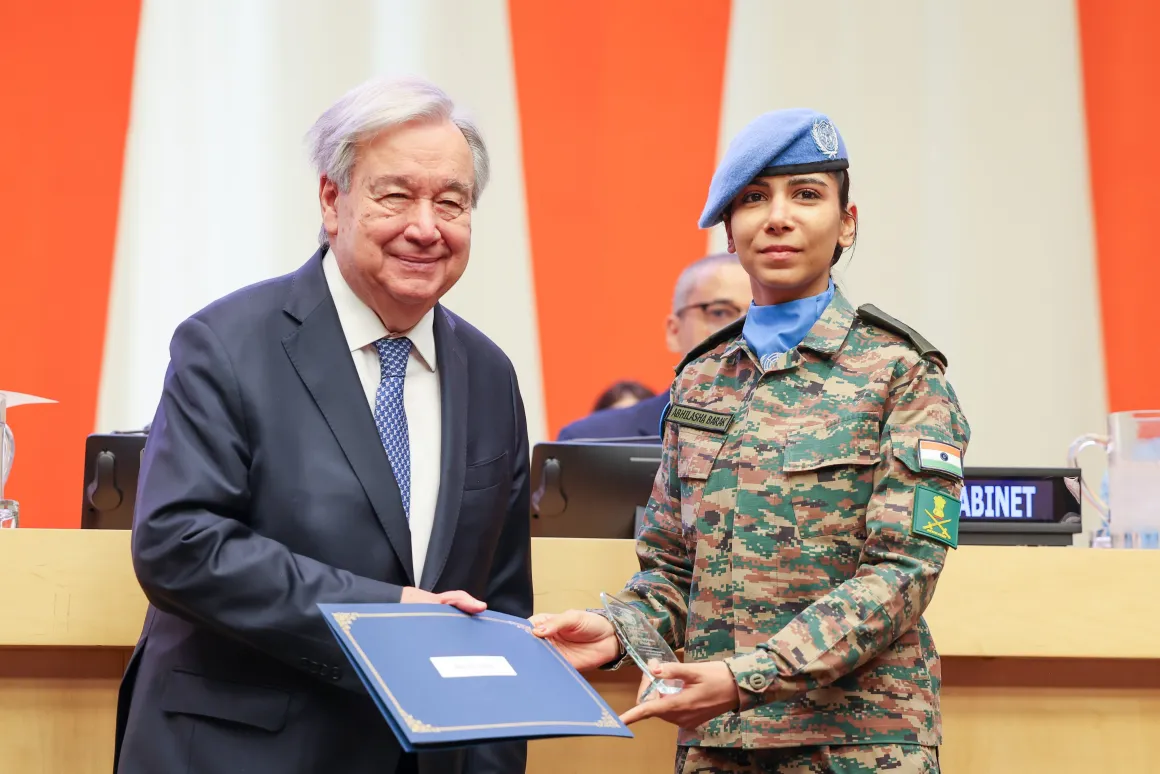
As the United Nations marks the International Day of United Nations Peacekeepers, her story reflects the evolving role of peacekeeping, extending beyond maintaining security to empowering communities, expanding opportunities for women and girls, and building lasting peace through trust and inclusion.
For Major Barak, the message is simple: "Dreams don't have a gender."


