

Information drives prevention. In South Sudan, understanding developments on the ground and maintaining close contact with communities are essential to identifying risks before they escalate into crises.
Inspector Stephanie Königs of Germany has served with the United Nations Mission in South Sudan (UNMISS) as a Patrol Team Leader from September 2024 until March 2026. She believes that the small interactions peacekeepers have every day can make the greatest difference. By listening patiently, building trust and maintaining close relationships with local communities, she helps identify emerging protection concerns and ensure peacekeepers can respond effectively to changing situations.
Before deploying to South Sudan, Inspector Königs spent more than 13 years serving with the German police, where she held a variety of operational and leadership positions before becoming Deputy Shift Leader in Grevenbroich. Raised in a family of police officers, she was drawn to public service from an early age. She later served with the European Union Monitoring Mission in Georgia (2021–2023), gaining valuable international experience in emergency response, gender-responsive policing and working in multicultural environments. These experiences prepared her for the demands of United Nations peacekeeping.
Between October and December 2025, a period marked by heightened political tensions and movement restrictions in Juba, South Sudan, peacekeepers faced growing challenges in reaching vulnerable communities. Access to internally displaced persons sites and other key locations became increasingly difficult, limiting opportunities to engage directly with communities and monitor emerging risks.
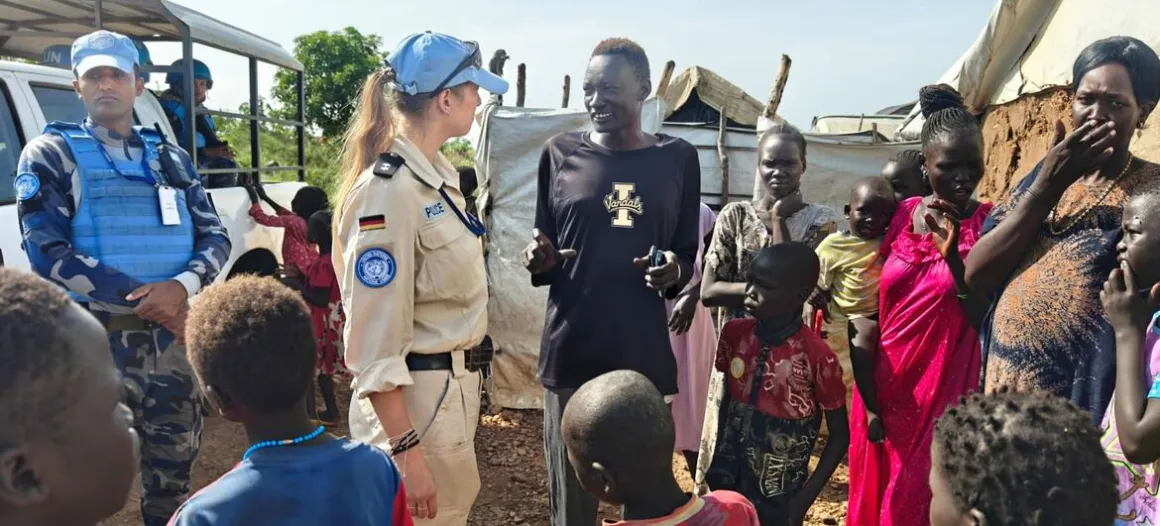
Through negotiations with national security forces at multiple checkpoints, Inspector Königs helped ensure that peacekeepers could continue reaching these areas while helping keep patrol teams safe and preserving the mission's freedom of movement. Her efforts enabled continued engagement with communities and helped maintain the flow of information needed to support protection activities and inform mission responses.
Her efforts earned her recognition as the 2025 United Nations Woman Police Officer of the Year, an award recognizing the exceptional contributions of women police officers serving in United Nations peace operations.
Beyond maintaining access to vulnerable populations, Inspector Königs strengthened field operations by introducing structured patrol systems and enhanced coordination between UN Police and military peacekeepers. Regular briefings improved situational awareness, reinforced early warning mechanisms and supported mission decision-making during periods of heightened tension.
For communities, Inspector Königs' efforts meant that UN Police could remain a visible and trusted presence, even during a period of heightened tensions. By helping preserve the Mission's freedom of movement, she enabled peacekeepers to continue engaging with vulnerable communities, listening to their concerns and identifying protection risks at an early stage. These interactions strengthened trust, informed UNMISS' early warning efforts, and supported its mandate to protect civilians.
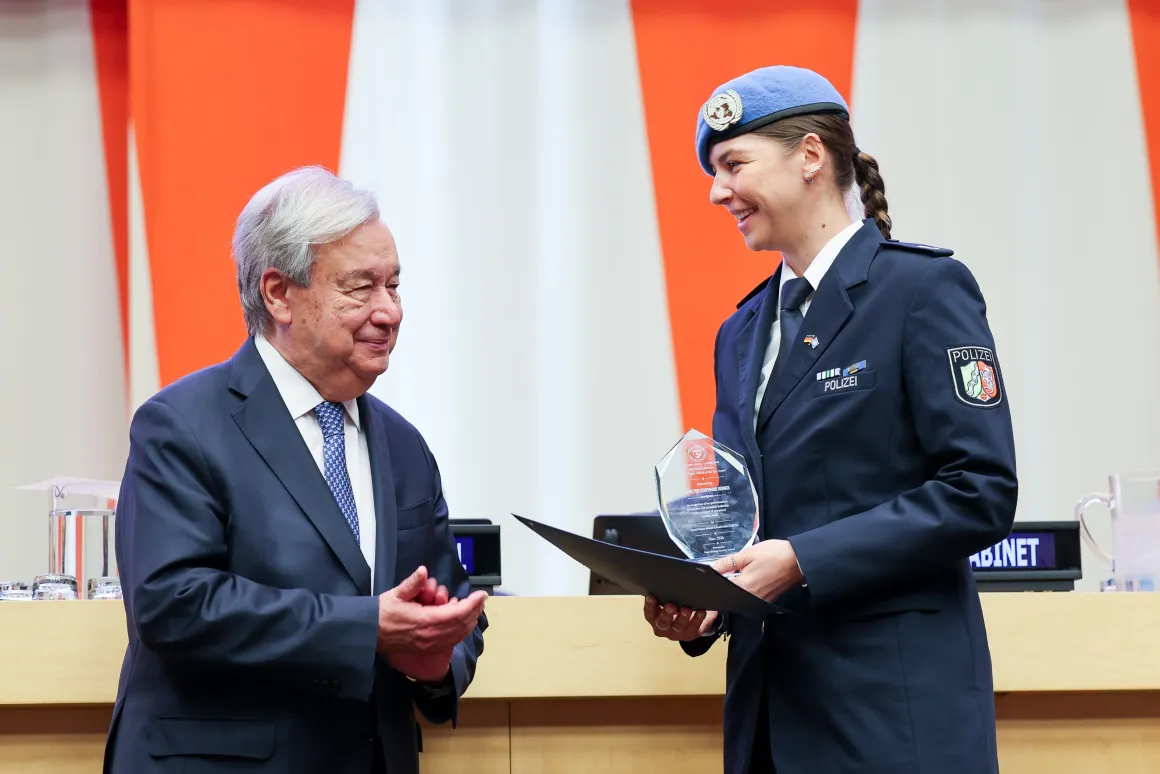
Inspector Königs’ work also highlights the important role women play in frontline policing and leadership. Operating in a high-risk and politically sensitive environment, she has demonstrated how professionalism, resilience and sound judgement strengthen both mission effectiveness and trust with local communities.
“Operational policing is the face, the eyes and the ears of UN Police,” said Inspector Königs. “Leadership means serving the mandate and protecting the team, even under the most difficult conditions.”
As the United Nations marks the International Day of United Nations Peacekeepers, her work is a reminder that effective policing is not only about responding to crises. It is also about maintaining the access, trust and information that help prevent them.


